

When you start looking, every opportunity can feel like the one you have to say yes to. A leadership program, a new club, volunteering, a competition, and suddenly the calendar is full before any of it has really begun.
But the best commitment isn’t the one that sounds most impressive on signup day. It’s the one that fits your interests and your real life well enough for you to keep showing up.
As Executive Director, I see how much can change when a teen finds the right place to contribute. A young person practices speaking up, discovers that other people value their ideas, or builds a relationship with a mentor or teammate. Those moments are part of teen leadership development, and they’re more likely to take root when a commitment is manageable and meaningful.
Why one commitment can beat four
The urge to sign up for everything at once is understandable. Starting something new feels energizing, and teens may want to try it all. But each activity comes with more than its advertised hours: there’s travel, preparation, homework, family responsibilities, sports, and the need for rest.
When a teen signs up for too much, the commitments can start competing with each other. Something that sounded exciting becomes one more obligation. A smaller, intentional choice gives a teen room to participate, build skills, and follow through.
That doesn’t mean a teen should never try something new. It means beginning with one commitment that feels worth making space for. A useful first step is to map the week honestly, including travel time and downtime. Nemours KidsHealth offers guidance for teens thinking through extracurricular commitments.
Four questions to help choose well
Teens can ask themselves these questions before signing up:
1. What do I actually want to get better at?
Maybe you want to feel more confident speaking in a group. Maybe you’re curious about community service, teamwork, organizing an event, or sharing your ideas with adults. A clear reason makes it easier to remember why you chose the commitment when the first busy week arrives.
2. How much time do I really have after school and sports?
Look at a typical week, not an imaginary one where homework takes five minutes and every ride is easy. Include practices, assignments, family plans, travel, and time to recharge. If the commitment only works when nothing else goes wrong, it may not be the right fit right now.
3. Who do I want to work with?
Would you like to collaborate with peers, contribute alongside nonprofit partners, or meet business, government, and community leaders? Different experiences create different kinds of connection. Think about the setting where you feel curious and ready to participate.
4. Do I want something that ends, or something that runs through the year?
A defined experience can be a good way to try leadership without making a long-term commitment. A longer program offers more time to build relationships and take on responsibility. Neither is automatically better; it depends on what you want and what fits.
A commitment can be one event, one week, or ten months
Not every leadership opportunity asks for the same kind of time. Understanding the shape of the experience can help a teen choose a good match.
A single event or performance is a chance to take part in a particular activity without signing up for a program that runs across much of the year. Loudoun Battle of the Bands offers a safe performance venue for middle and high school bands. For a teen who wants to perform with peers, it’s an opportunity to share something they’ve worked on in a community setting.
A short, focused program gives teens a concentrated experience and a defined finish. The Loudoun Youth Leadership Program is a week-long intensive focused on leadership, communication, and team-building. It is open to sophomores, juniors, and seniors in Loudoun County, with two summer sessions to choose from. Tuition is $515, scholarships are available for students who qualify, and the application portal opens in February 2027. Teens who want to practice these skills and connect with peers and local leaders in a focused setting can learn more about the Leadership Program.

A competition or project asks teens to develop an idea and work toward a specific outcome. In the annual Step Up Loudoun Youth Competition, middle and high school students identify an issue in their school, neighborhood, or community, create a plan for positive change, and pitch their idea. It can be a good fit for someone who wants to turn a concern into a concrete proposal.
A recurring, longer-term commitment gives participants time to learn, contribute, and build relationships along the way. Claude Moore Community Builders is a free ten-month program for rising 10th through 12th graders. Teens are paired with nonprofit partners and receive training in communication, leadership, collaboration, and mental health.

For teens who want to help shape projects with other students, the Loudoun Youth Advisory Council is student-led and develops special events and community projects. It meets twice a month during the school year, so it’s worth considering whether that regular rhythm works for your schedule. Learn more about the Youth Advisory Council.
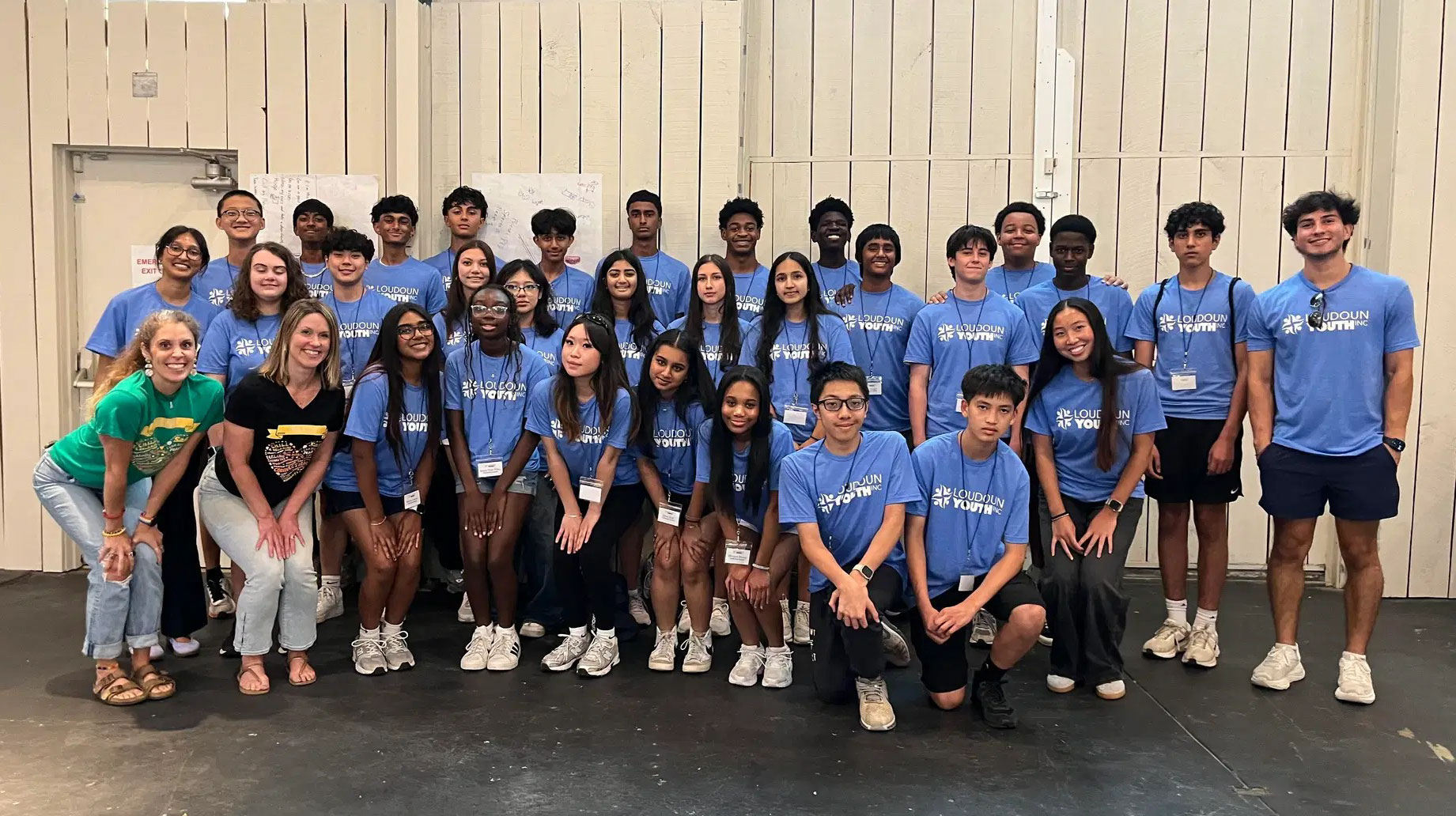
These are different paths, not a ranking. Teens exploring a leadership program for youth, including younger students checking out middle school leadership programs, can start by confirming each program’s eligibility and format. If you’re searching for a youth leadership program near me, begin with what you want to practice and how often you can realistically take part.
The growth can show up in practical ways. One former participant in the Leadership Program, Maria, shared: “The guest speakers brought a variety of leadership skills and experiences that I could easily transfer to my daily life.” That’s the kind of connection between learning and real life we hope young people can carry forward.
Parents: help with the logistics, then hand over the lead
Parents can make a real difference without managing every step. Start by asking your teen what they hope to get out of the commitment. Listen for what genuinely interests them, rather than choosing based only on what looks useful from the outside.
Then help make the plan workable. Look at the schedule together. Confirm eligibility, requirements, location, and how your teen will get there. Transportation is a real barrier for many Loudoun families, so it’s worth checking before committing. We know that access matters, and we’re working on rides to events, but we can’t promise specific arrangements. Please ask us what may be possible before making plans.
Once the basics are clear, let the teen own the follow-through: keeping track of information, communicating with the program, and asking questions when something is unclear. That ownership is part of the learning.
When the first month feels hard
The beginning can be the toughest stretch. A teen may feel shy, unsure where they fit, or surprised by how much time a new commitment takes. One awkward meeting doesn’t always mean the choice was wrong; sometimes it takes a little time to feel at home.
Try a two-week rule: if your teen wants to quit, pause before making a final decision in the middle of a frustrating day. If they feel safe and comfortable doing so, talk about what’s hard, identify one thing that might help, and give it two more weeks. Encourage them to speak with the adult running the program, too. They may be able to clarify expectations or help the teen find a way to participate that feels more manageable.
The rule isn’t a reason to ignore serious concerns. If a teen feels unsafe or something important is wrong, talk to a trusted adult right away. And if, after an honest conversation and a fair try, the commitment still isn’t a fit, your teen can learn from that and make a thoughtful change.
Choose one meaningful next step
Getting started doesn’t require a packed calendar. One commitment can be enough to practice communication, grow confidence, contribute to Loudoun County, and discover what kind of leader you want to become. That’s the steady work of teen leadership development: building skills and support systems before they’re needed in a moment of crisis.
Explore all Loudoun Youth, Inc. programs and choose the opportunity that fits your interests and your real schedule. Have questions about a program or the practical details? Contact Loudoun Youth: we’re glad to help you figure out a good next step.